June 2026

Welcome to the second edition of the current monthly series of newsletters! This one will have fewer sections than the first, mainly because I didn't actually watch anything 'new to me' in May, nor did I have the time to play quite so many games, but the ones I did are certainly worth looking at more closely.
I've also decided to expand my offering from a literal once-a-month occasion to something more frequent; the initial form this will take will be some Q&As with other narrative designers or folks in a similar field, so please look out for those hitting your inboxes in the future!
Games
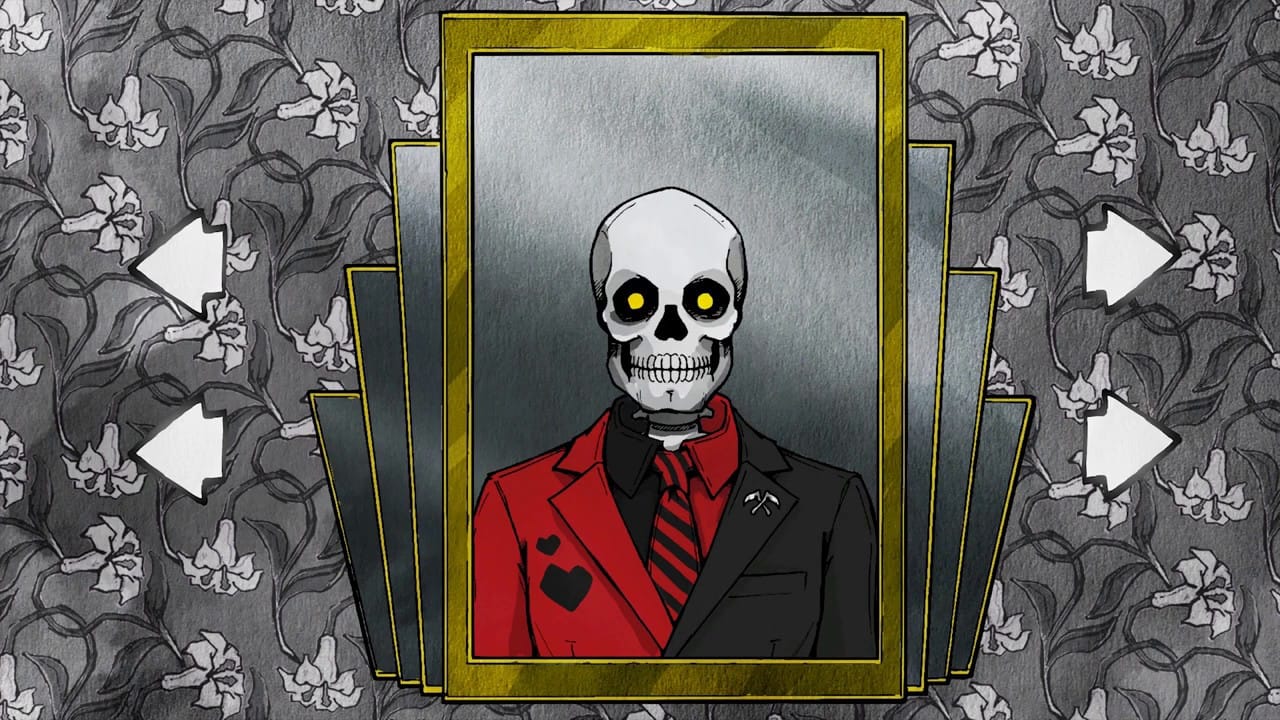
Death & Taxes (Placeholder Gameworks, 2020) is yet another game that I believe I acquired as part of a Humble bundle several years ago when I was a monthly subscriber. The premise is actually quite a fresh one, relegating the Grim Reaper to a lowly position in a bureaucracy deciding who to shuffle off the mortal coil and when. Both mechanically and narratively speaking, it is similar in its execution to Papers, Please; you sit at a desk looking at profiles of people, with info such as their age, occupation, and recent history included. You are given a quota of these profiles to mark for 'deletion', and the criteria changes every day you pull up a chair and start the working day. Your performance is reviewed by your boss every so often, and you can get rewarded for what are deemed to be astute decisions.
As the game progresses, the daily requests become more difficult – gone are the crypto billionaires and tech bros of the early days; they are replaced with people trying to prevent depopulation or environmental disaster... and you are still compelled to erase them. Without spoiling too much, while it is obvious that this is set up for multiple playthroughs, I didn't feel particularly incentivised to do so. The tone didn't shift enough from humorous to weighty to make it feel like my choices were impactful on an emotional level. I did however get a 'bad' ending, and those two hours spent with it were enough for me.
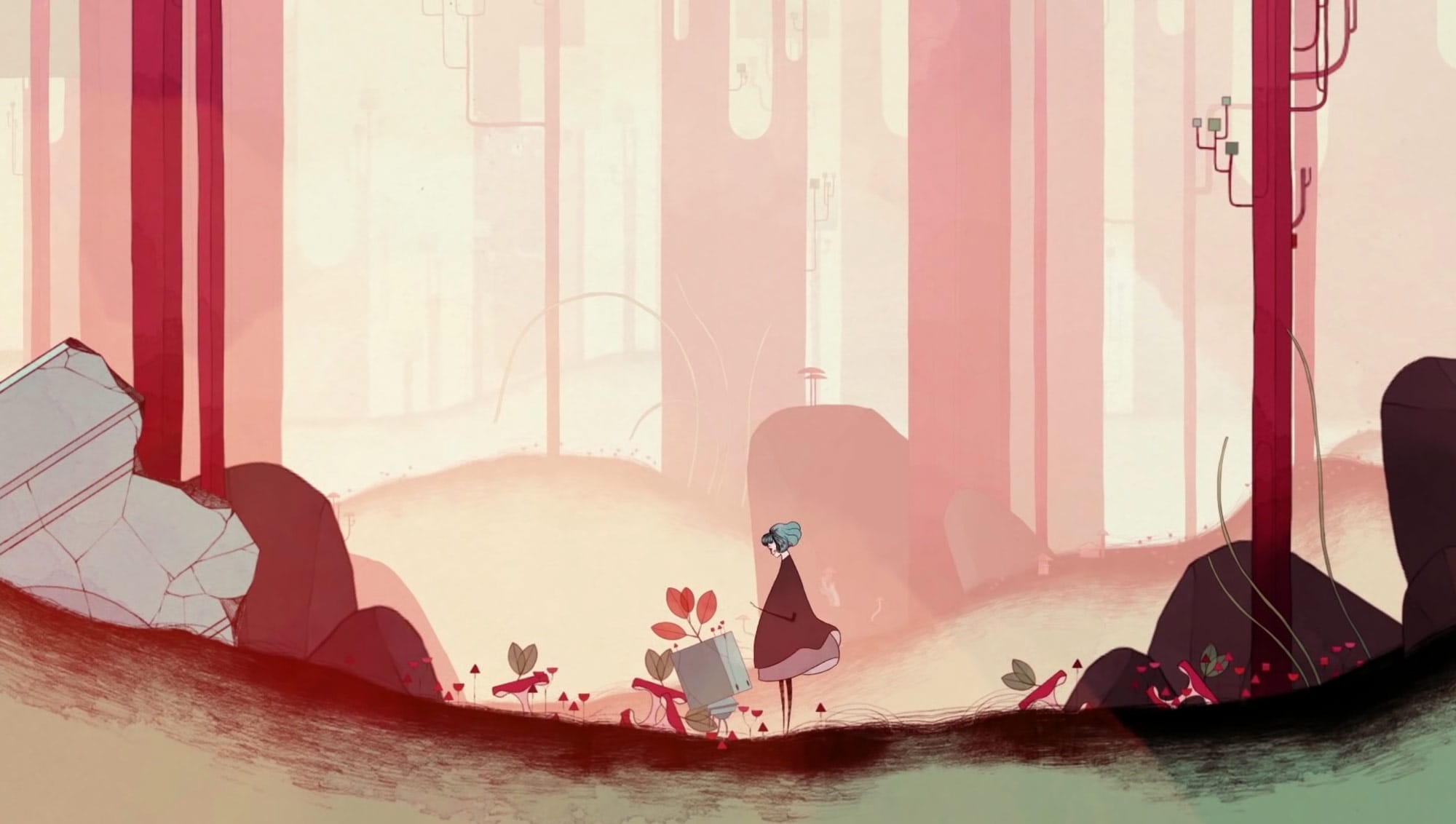
'Emotional' is definitely a term you can ascribe to GRIS (Nomada Studio, 2018). This was actually my second attempt at playing through it, having not clicked with it immediately quite a while back. This time was different. You play as an unnamed character who goes on an adventure to, for want of a better term, process their grief over something or someone lost to them. Progress in this light puzzle-platformer is marked by the restoration of primary colours to the landscape, reinforced by a gently moving and meandering soundtrack.
There is no dialogue or in-game UI of any kind, the only exception being an occasional non-diegetic instruction about which button to press once you've gained a new skill (such as a floating jump). Wordlessly, more is conveyed in GRIS than many titles with thousands of voiced lines. It doesn't treat the player with kid gloves despite there being no failstate to speak of, instead relying on both soothing ambient music and its exquisite art style to keep you immersed. It's definitely not for everyone, but it has rekindled my interest in checking out NEVA at some point in the near future.
On a different tack, there aren't many franchises/game series where I think to myself 'oh yes, I simply must play it no matter what'. That speaks to both the elongated nature of game development and one of its inevitable consequences: studios and the people within them come and go, especially given how turbulent the industry is these days. The Life Is Strange franchise is no, erm, stranger to this phenomenon. Originally developed by DONTNOD over a decade ago after successfully pitching to Square Enix that having a (second) female protagonist in one of their titles wouldn't cause the heat death of the universe, subsequent entries have bounced back and forth between DONTNOD and Deck Nine, with the latter becoming the sole development studio from 2019 onwards.
It's safe to say that 'transition' has not been smooth, with layoffs aplenty just after the release of Life Is Strange: Double Exposure in 2024, including people I know. Coupled with the lukewarm at best reception to the last release, I was therefore on the fence about the the rather swift follow-up, Life Is Strange: Reunion (Deck Nine Games, 2026). I heard very little online chatter about it either side of its release, but the consensus seemed to be pretty positive, so I took an earlier stab at it than I'd originally anticipated.
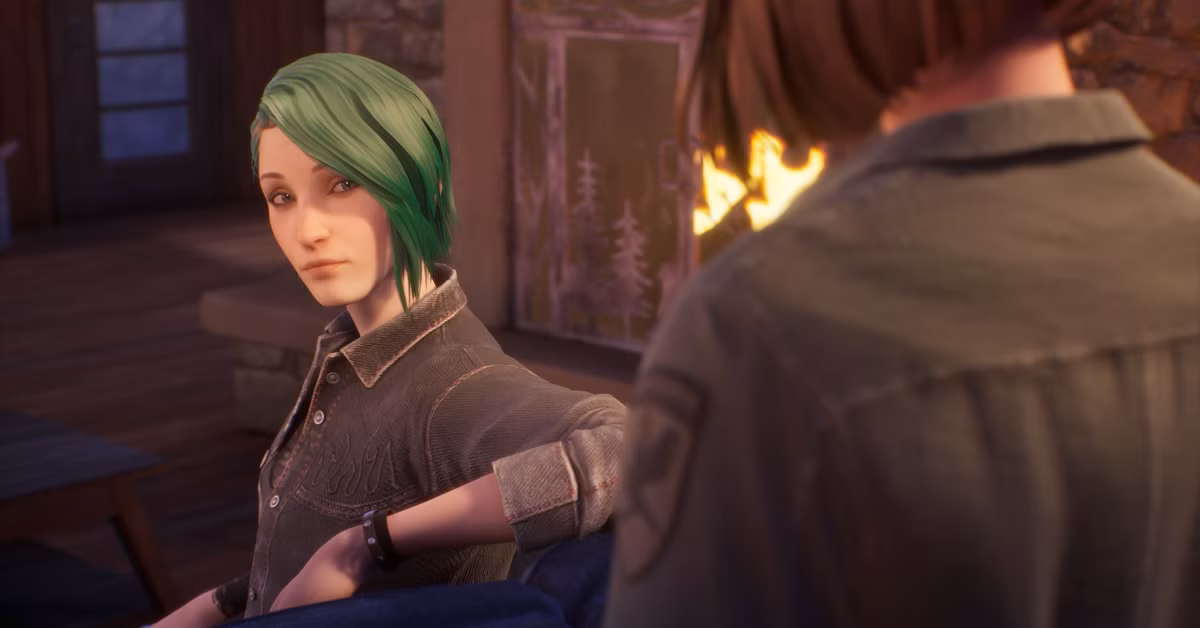
Despite being a direct sequel to Double Exposure, most of the characters from that title are very much in the background here (including potential love interests from it), with the focus being squarely on the resumption of the relationship between Chloe Price and Max Caulfield, the latter of whom might possibly be my favourite female character in any video game series, though that probably needs its own piece as to why.
As with most of the other Life Is Strange entries, the plot is concerned with the main protagonist having some kind of powers, and using said powers to prevent their immediate environment from going down a darker, more destructive path. Max, now a photography professor at a Vermont university, has regained her abilities to rewind time, so she she reverses events to before when a terrible fire in her absence took place.
This hook is not the strongest seen, though the game does do an admirable job of obfuscating who or what caused the fire until quite late in proceedings. As ever, the characterisation is where the most attention is paid. In the original game, both Max and Chloe were just 17 or 18. Matching the real passage of time, they are now on the cusp of 30, demonstrably very much still themselves, but with that decade or so more of life experience. The dialogue and voice acting is reflective of that, where you get the sense that the bond the characters share is authentic and time-worn.
On the negative side, technical issues still plague the game two months since its release, with frequent frame rate drops, pop-in, and tearing aplenty, even with the graphics settings turned all the way down. Normally, this wouldn't be something I'd comment on, but given so much of the emphasis in Reunion is on the aesthetics, the game environments (most of which are understandably reused from Double Exposure), and the indie rock tracks setting the undertones beneath voiced conversations, they did detract from the overall experience. Otherwise, it's largely a return to form, with, surprise surprise, several well signposted possible endings, all of which leave room for another entry down the line.
Life Is Strange as a series has previously drawn criticism for not having 'enough gameplay', but the interactions with other characters and the environment are the gameplay, and the agency you have as a player in Reunion probably outstrips its predecessors.
Books
I don't normally read/listen to multiple books in the same genre in a row, let alone in the same series or by the same author. However, as I said last month, I'm a sucker for well-written novels that deal in some way with time travel. I tried my best not to spoil the first of The Middle Falls Time Travel saga by Shawn Inmon when I wrote about it in May, but let's be honest, there are so many books out there and my number of subscribers is relatively so small that it's unlikely that anyone else will pick these up, especially when there are now over 20 of them!
The basic premise with all six I've read so far (with one exception) is as follows: someone grows up in 1960s/70s Oregon, doesn't find their life satisfying, dies, gets transported back in time to a certain point around the cusp of their adulthood, lives partly through their life again without any greater satisfaction, kills themselves, and repeats the cycle again and again until they find 'fulfillment'. Each of the protagonists are in some way interconnected with the protagonist from the previous entry in the saga (again, with one exception), and there are multiple references to other characters and events in each, underlying their interconnected nature, albeit across many, many dimensions.
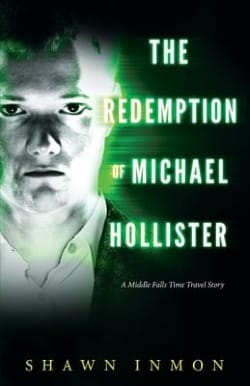
The Redemption of Michael Hollister (2017) focuses on the titular character embarking on a journey to, well, redeem himself. In his first life, he was a serial killer, which is referenced extensively in The Unusual Second Life of Thomas Weaver. In that, he murders Weaver's partner while the three of them are still in high school, but is eventually caught and sent to prison because of a false confession written by Weaver. Hollister commits suicide in jail, then finds himself all the way back in his six year old body with all his memories intact.
Eventually, he is made to enroll in military school, which he sees as an escape from his sexually abusive father and emotionally absent, drug addicted mother. He eventually learns how to socialise and be a leader in a rigid, disciplined environment.
Any descriptions of the sexual abuse itself are largely absent. Instead, the author concentrates on whether it's possible in this scenario for Hollister to find a kind of (non-religious) absolution. Eventually, the instructor at the military school takes Hollister under his wing, and he and his children become much more of a family to him than his biological one ever had.
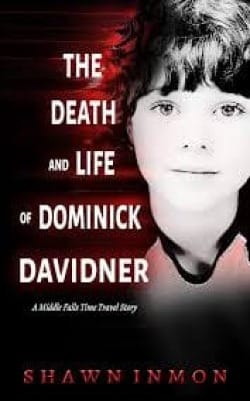
The Death and Life of Dominick Davidner (2017) centres on one of Hollister's military school friends, although that is only one small section of this novel. It is sandwiched by his first life as an adult ending while defending his students from a school shooter, and his pursuit through a number of false starts of his spouse from the initial chapters. The main themes here dwell on whether someone (in this case Dominick's spouse) is in effect the same person in different dimensions, and whether his chase amounts to a stalking situation; his behaviour in a particular instance is picked up on and used against him when his love interest, who doesn't retain memories of him prior to meeting across time and space, breaks up with him.
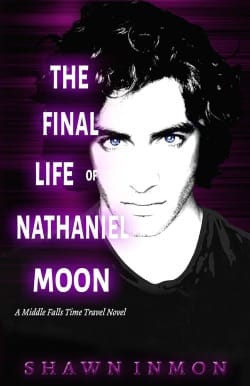
The Final Life of Nathaniel Moon (2018) is a departure from the previous and subsequent three books. Here, the protagonist not only retains his memories from previous lives (even while in his mother's womb), but he is somehow able to 'heal' other people's ailments with his touch, including cancer. The powers he possesses, which also cover a higher degree of foresight for future events not yet experienced, make him a target for a religious fanatic, and he makes a vow to live a simple, hermit-like existence to protect his close family and friends. The dénouement is far more dramatic than other books in this saga; he prevents a school from being bombed (sensing a pattern here) by absorbing the blast into himself, only to finally fall victim to the fanatic, letting himself bleed out from a gunshot wound.

The Emancipation of Veronica McAllister (2018) is the first in the saga to feature -gasp!- a female main character. She featured in the previous book as an old hospital patient who declined Nathaniel's offer to heal her as she lay dying and full of regret. The 'emancipation' in the title refers to her unexpected second chance(s) to live a meaningful life where she had agency. Its repeated origin point of 1958 naturally leans into all the conservative tropes governing gender roles in America; she also had two estranged children in her first life, so she spends a good portion of the book trying to get 'them' back, even if it means denying herself agency and happiness in the process.
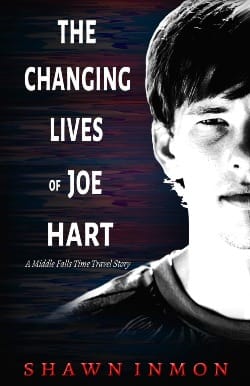
The Changing Lives of Joe Hart (2018) is the first of the saga to feature famous figures as characters in their own right. Joe accidentally kills himself in his first life that ends in the 21st century, and on waking up in the late 70s as a school leaver, he determines to help prevent people from dying in events he remembers taking place as an adult. The main focus here is on making sure John Lennon doesn't get assassinated. The audiobook narrator's voice for Yoko Ono was beyond terrible, although it didn't detract from an otherwise decent entry.
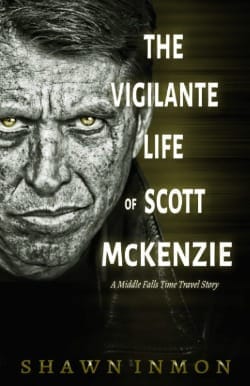
The Vigilante Life of Scott McKenzie (2018) carries on the previous book's theme, but as the title suggests, Scott is, or becomes, a serial killer himself, taking out the likes of Ted Bundy, the Son of Sam, and John Wayne Gacy along the way. As you'd expect, it's a treatise on whether the ends justify the means, and in certain cases, Scott kills the would-be mass murderers before they've even committed any crimes. There were definitely similarities between Scott and Dexter Morgan, although the latter is meant to be a sociopath who blends into society, rather than a former Vietnam veteran with prior knowledge of events to come. This is also the first entry that hints there's an organisation of people who are not only aware of living multiple lives, but try to direct the course of things in a certain direction.
Life Stuff
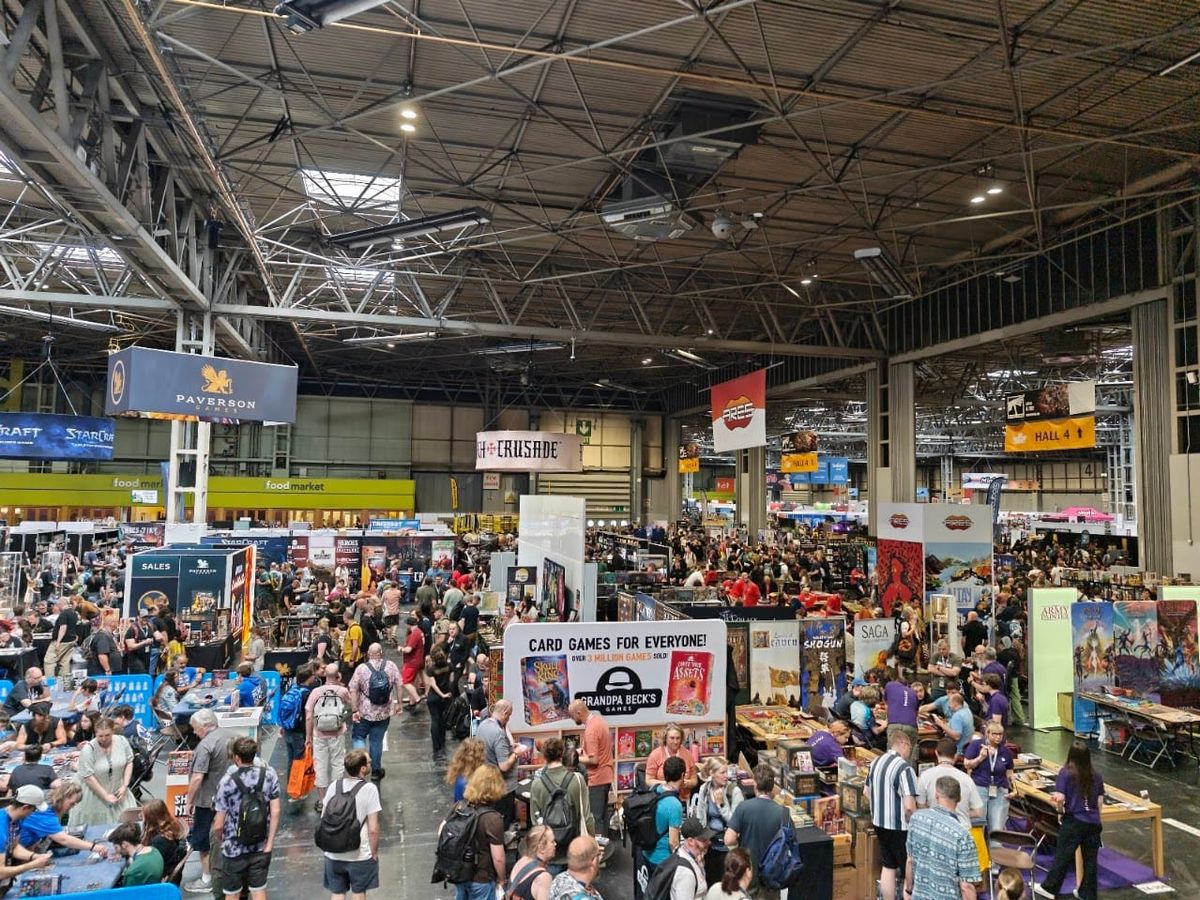
My family and I made our second visit to the UK Games Expo! We try to go every other year or so to avoid it becoming too samey, and it's fair to say that it's expanded quite a bit even in that period of time, covering five huge halls at the NEC. A Saturday in 2024 didn't feel like enough to really go around the stalls and still play a board game or two, so we made a whole weekend of it a fortnight ago. Even that didn't seem quite sufficient, though you have to balance that with how much you're on your feet milling around!
We picked up half a dozen or so games, but my favourite was only available to try rather than buy. Sanibel, the latest by Wingspan and Wyrmspan creator Elizabeth Hargrave, takes its influence from the natural world, but this time round, players collect different kinds of seashells and score points from different combos in their bag at the end, which have to be arranged in a Tetris-like fashion.
On the evening of the first day we were there, we attended Knightmare Live!, a faithful fan-made recreation of the hit late 80s-early 90s children's TV show. If you're of a certain vintage like I am, you'll probably remember it seeming like it was ahead of its time, and the the 2026 iteration didn't disappoint either, featuring hilarious stand-ins for some of the props from the original broadcast.
Just One More Thing (aka my recommended newsletter of the month)
Megan Bidmead's Side Quest newsletter combines parenting with her own thoughtful takes on the culture she's consumed since her previous entry. My favourite two pieces of hers cover the whole gamut: one is about, well, death, and at the other end of the spectrum were her impressions of the little-known 1996 PC game Titanic: Adventure Out of Time. The latter also features a video playthrough of a portion of it, which pretty much speaks for itself...