August 2026

The fourth edition of my newsletter is a bumper one, especially as it coincides with the beginning of my Yakuza/Like A Dragon series playthrough over the drought-ridden summer holidays. Let's get to it...
Games
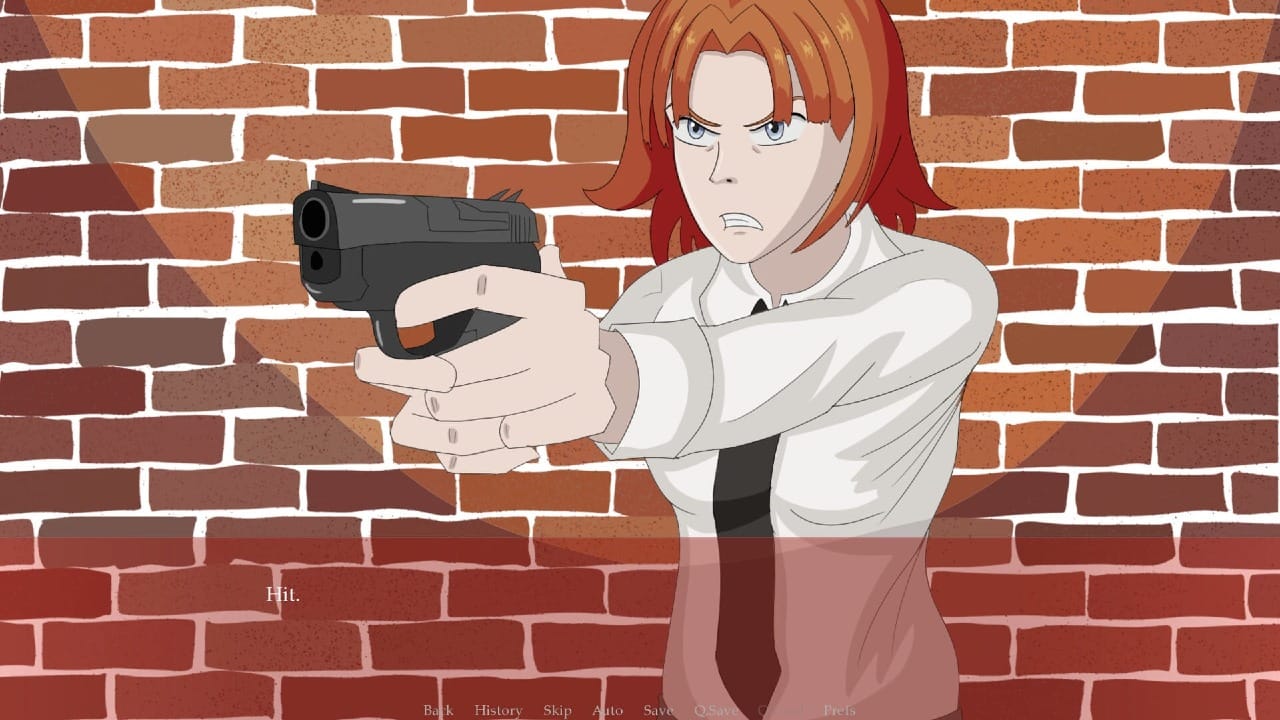
Three titles featured this month are made by solo devs! Time of the Lilies (Ludie, 2026) is a queer Ren'py visual novel set in an alternate universe, developed and released by a friend of mine). Away from her day job, Ludie has spent years putting her own fictional world together, and this title is a culmination of those considerable efforts. Players are thrust into what I would characterise as an East German flavoured environment, full of spies, political intrigue, and yuri.
Looking at it as objectively as possible, it is not going to be a game for everyone (nor is it trying to be); the vast majority of the focus is on the text, and there is a lot of text to parse, but patience is rewarded by some well realised characters, a gameworld with depth, and several distinct outcomes to the story. It is also completely free to check out for yourself on Steam!
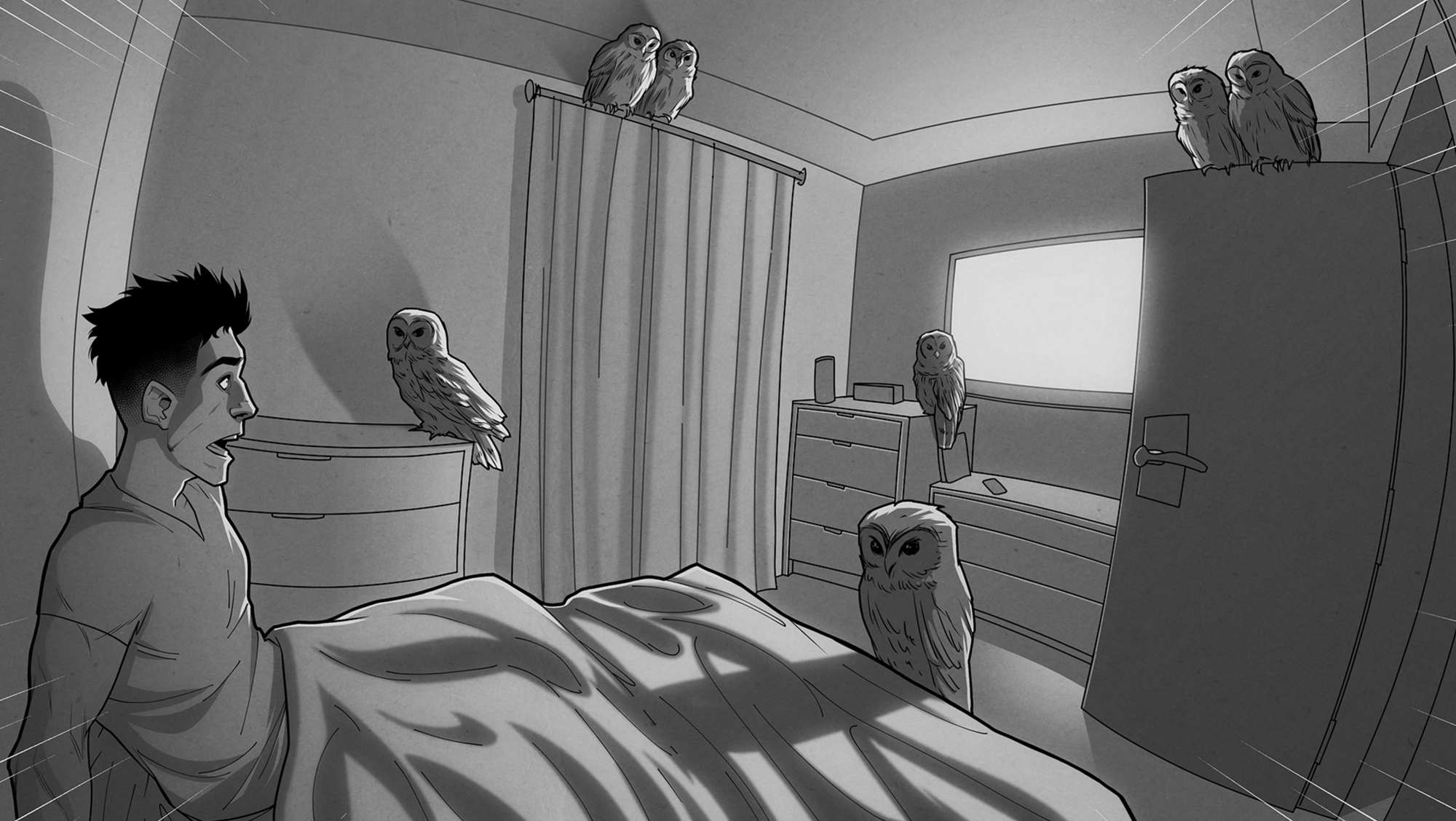
Blake: The Visual Novel (Ori Mees, 2021) shares the same delivery system and larger conspiratorial overtones as Lilies, but there are a number of key differences, the first two of which are immediately apparent on booting it. Ori is open about the story being incomplete (it was originally intended to be an episodic release, but time and budgetary constraints put paid to that notion, at least for the foreseeable future), and this is conveyed to players in no uncertain terms.
Secondly, while it's set in an imaginary near future, there is just enough distinctiveness in how things play out to not make it seem as though elements from other sci-fi media are too liberally borrowed from. It manages to stand on its own merits, especially the vin soundtrack, a large chunk of which was composed by Ori herself. The pieces feel fresh, and they complement the intended tone well at wildly different beats. There are branching narratives to Blake's story, and once more, multiple endings, though the axes for these are 'good', 'someone in the middle', and 'bad', with corresponding achievements for players who manage a completely polarised set of choices.
I'd definitely be interested to see whether Ori is able to return to the world; the incomplete nature isn't a barrier to enjoyment, with enough variety in the aesthetics, people, and a lack of egregious loose ends combining to make it more than worth several hours of your gaming time. Additionally, it is free as well, a conscious decision Ori made for the aforementioned reasons.
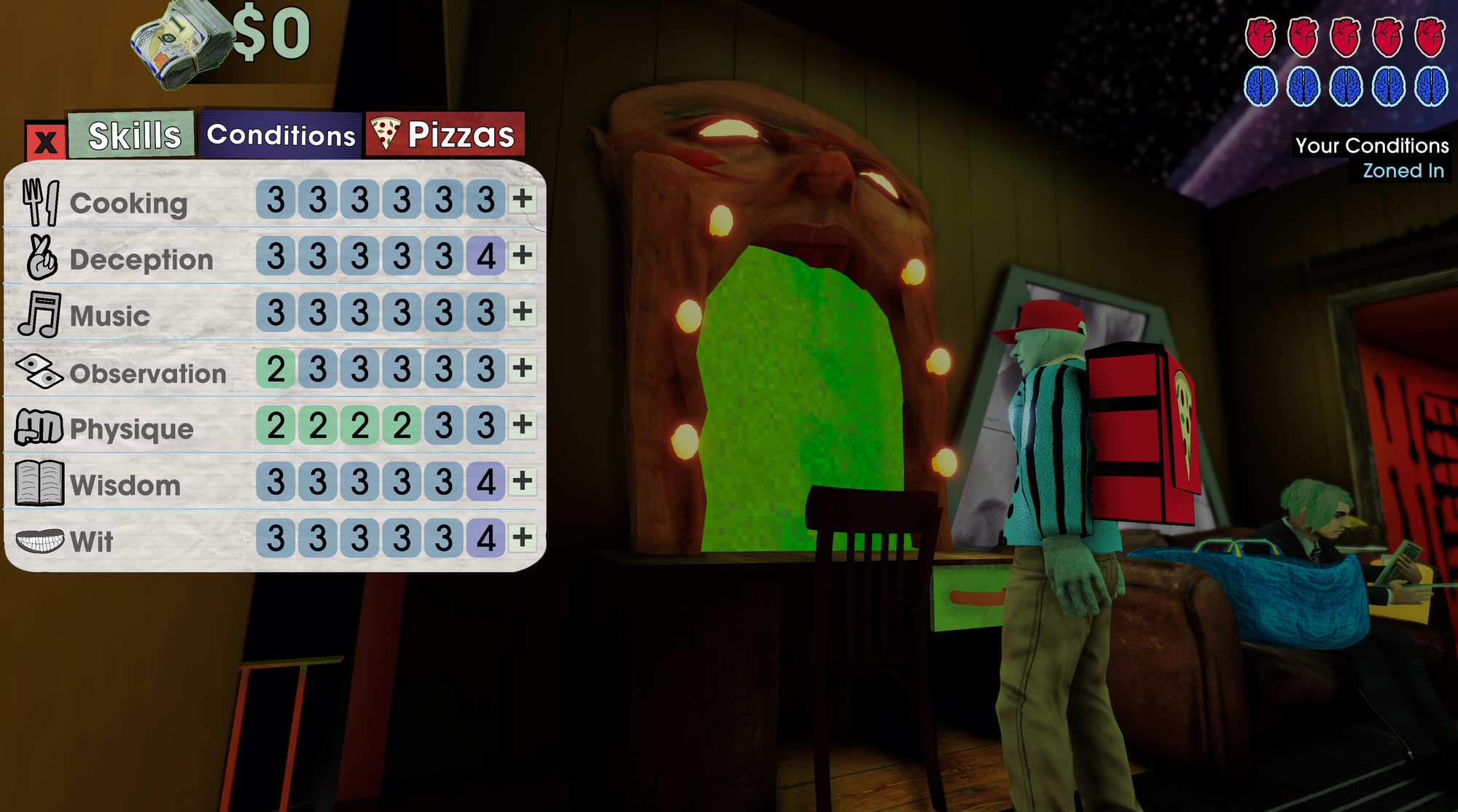
Betrayal At Club Low (Cosmo D Studios, 2022) is a TTRPG that bears a remarkable similarity to Disco Elysium, particularly mechanically. You play as an an android, whose task is to infiltrate a club to rescue a fellow agent. Naturally, as the title subtly hints, there are more layers to it than that, but what sets this apart from its genre stablemates are two things:
- While almost every action and piece of dialogue being tied to rolls of the dice is not new whatsoever, the surrealist environment, humour, and aesthetics are. Your character is set up as a pizza delivery guy, and the 'toppings' you acquire for them (from buffalo mozzarella to chocolate chips) act as modifiers for your stats. I can't think of another game not developed by Cosmo D Studios that has anything akin to that combination.
- There are 11 distinctive endings... that the player is encouraged to unlock as quickly as possible. There is no real 'pause' screen per se, and when you do save or load a file, you can't fail to notice an in-game timer in the bottom left corner of the screen. Each ending or failstate compares your run to your previous ones.
An off-the-wall take on what could easily have been very familiar territory makes this my number one recommendation this month, particularly as it goes out of its way to not outstay its welcome, even with the largely repeated actions needed to unlock each of the endings.
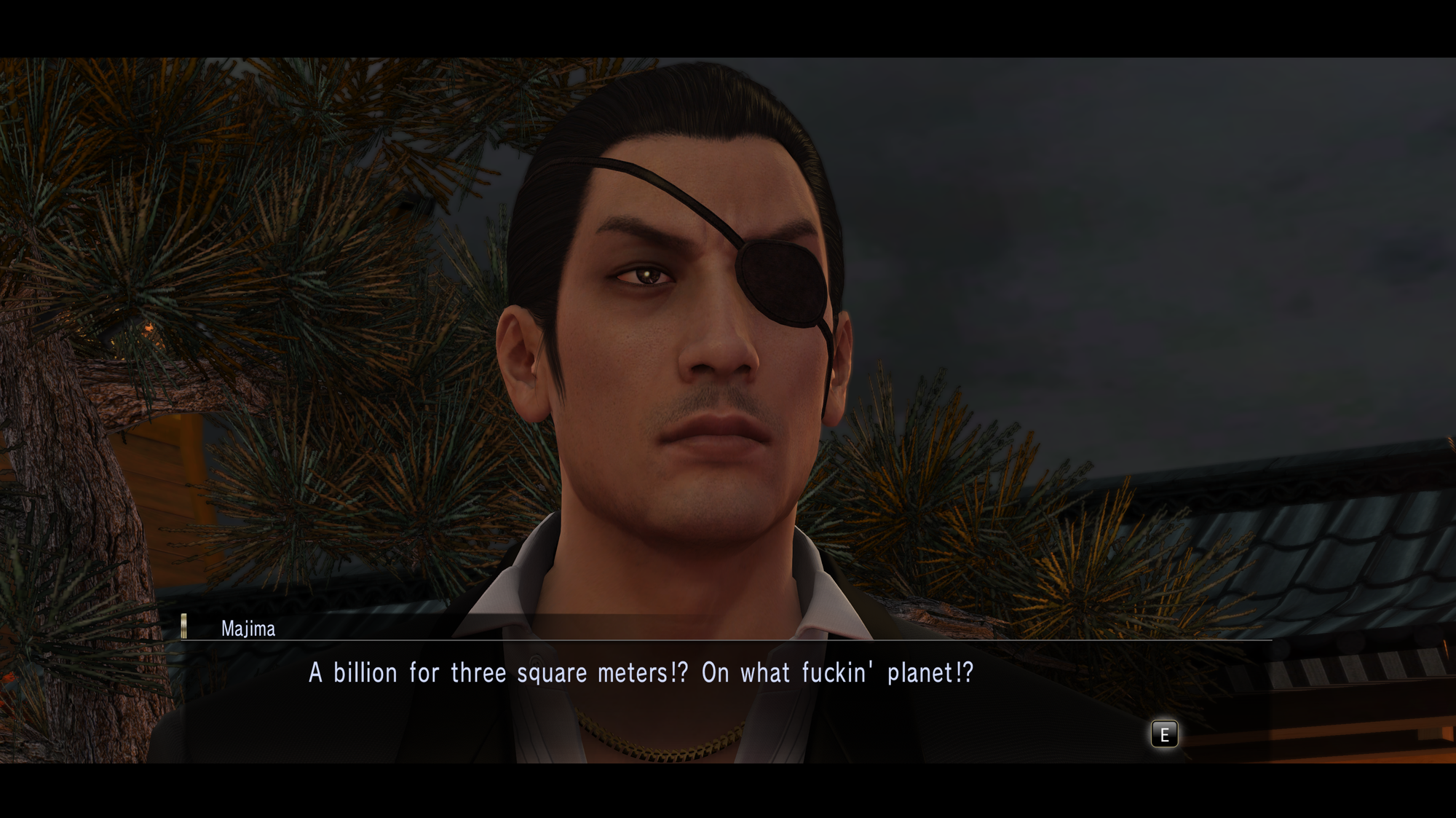
Yakuza 0 Director's Cut (RGG Studio, 2025*) is the sixth installment in the series (in terms of when it was developed) and acts a prequel to subsequent events. It is often credited with both reviving interest in the games and subsequently greatly expanding its appeal, especially outside of Japan. Originally released in 2015, it received an enhanced version last year, which serves as a basis for my narrative analysis.
The story is set in 1988, in the middle of a period in which the bubble economy had yet to burst. This is central to the plot itself, which centres around a scramble for a tiny strip of land in Kamurocho (Kabuki-cho in real life), Tokyo. Players control the series' two biggest protagonists, Kiryu Kazuma and Goro Majima, across both the capital's red-light district and Sotenbori (Dotenbori), Osaka. Two chapters are dedicated to one of them, then the other, and so on, with the duo only meeting after the credits roll.
This title feels like a love letter to loyal fans, and the game is replete with diverse substories (Yakuza's equivalent of sidequests) where the writers were able to spread their wings a little away from the ostensibly hard-boiled crime drama of the main story. These are also where the infamous 'tonal whiplash' moments are most apparent, though the ones I completed in 0 were arguably the leanest in those terms.
Additionally, there are two huge mini-games among a suite of smaller ones like karaoke, bowling, cage baseball, and pool. Both of them very lightly intersect with a 'just get to the ending' playthrough, and like almost every other aspect of the games, are completely optional while still being worth at least dipping your toe into. Kiryu's involves real estate acquisition in Kamurocho, but I found Majima's cabaret club management a much more engrossing use of my time, straddling as it does a quasi-dating sim, a fashion and makeover sim, and a real time strategy.
Yakuza is also famous for simultaneously covering the less-than-desirable aspects of Japanese life while still somehow making a holiday there even more appealing. Unlike certain other titles set in the contemporary world, it takes a 'warts-and-all' approach, from looking at cults that promise spiritual enlightenment for their followers (but are really about power being concentrated in the hands of a single leader), people trafficking, and homelessness.
The combat mechanics aren't particularly deep, but both protagonists have four different 'styles' they can switch between (and each one has its own dedicated track). New moves can be unlocked in a variety of ways and money acts as experience points to 'spend', which loops back into incentivising players to exploring the two districts and everything the game has to offer.
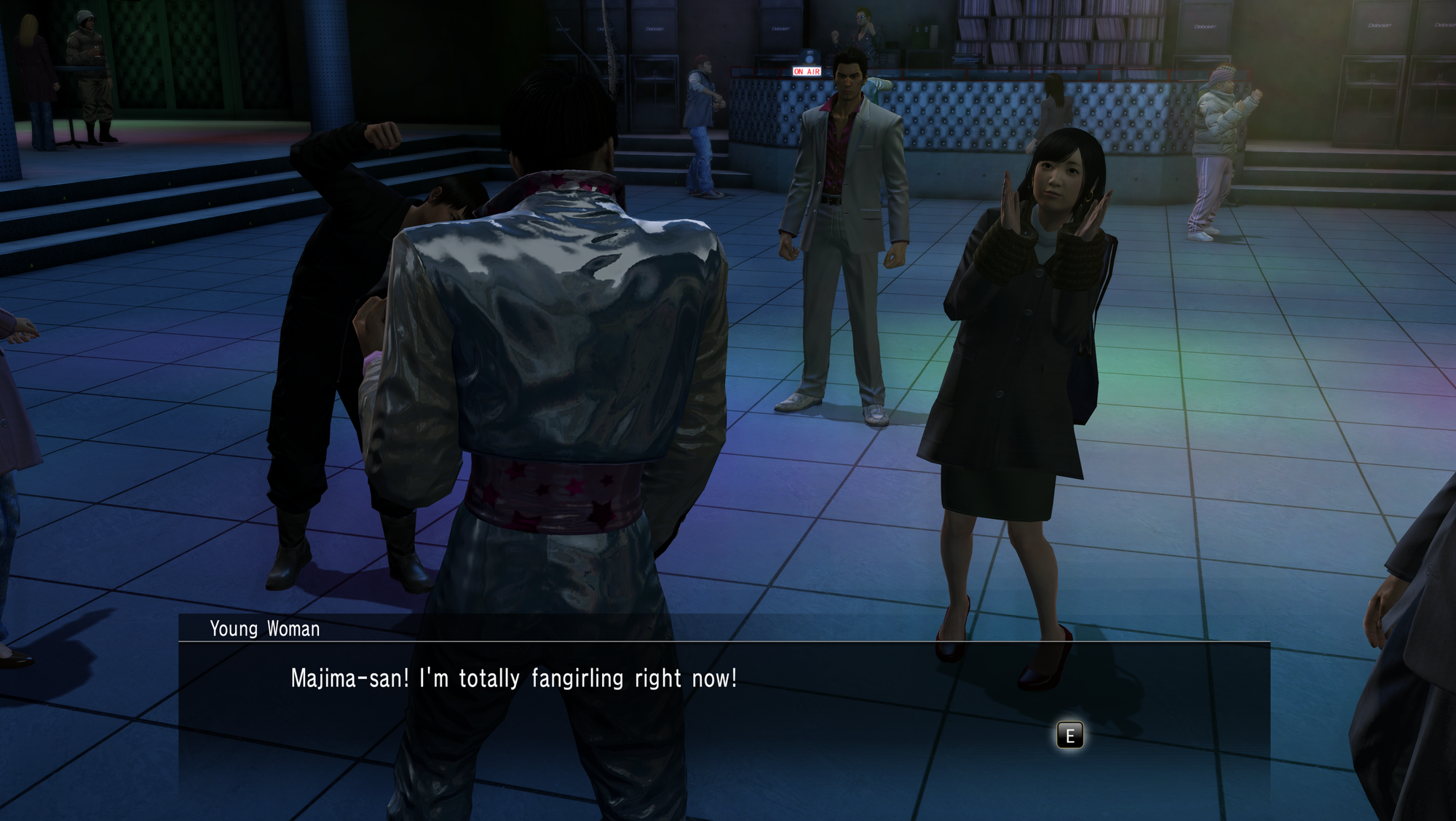
Yakuza Kiwami (RGG Studio, 2025*) retains a lot of what made 0 such a hit, but has only one playable character (Kiryu) and area (Kamurocho). The vast majority of the game is set 17 years after the prequel's events, meaning that many of the people, shops, and environments are completely fresh, though there are certain assets that are noticeably duplicated. These rarely detract from Kiwami's (or indeed the series as a whole's) charm, and are usually the products of smart game design, allowing the studio to make the districts have life in their own right.
The overarching plot for Kiwami is leaner in terms of focus and runtime than 0, and once again, is replete with twists, betrayals, and revelations, but arguably boils down to a love triangle between Kiryu, Yumi, and Nishiki (Kiryu's oath brother from the prequel). In 0, Kiryu is framed for a murder he didn't commit, and in Kiwami, he is sent to prison for 10 years (1996-2005) for... a murder he didn't commit. The storyline still has all the usual yakuza family bells and whistles, but it is bookended by that central theme.
Most of the smaller minigames from 0 are still there, and are supplemented by Mesuking, a playful take on Pokémon TCG (and not for the last time in the series). Originally, the idea for Pokémon came about when Satoshi Tajiri revisited his childhood love of bug collecting... only the bugs featured on the cards in Kiwami are barely clothed women with different insects as their motifs. In 0, telephone cards of contemporary (2025) adult film stars could be found on the streets of Sotenbori, and this feels like a more acceptable 'evolution' (no pun intended) of that.
The substories generally suffer from a high number of repeated tropes, usually with NPCs trying to con or scam Kiryu out of money. Additionally, the Majima Everywhere system where the eponymous frenemy can pop up in a wide variety of situations did grate somewhat, mostly because of the ridiculous number of occasions Kiryu has to defeat him in order to get to the highest SSS rank.
However, the soundtrack is typically superb, chiefly epitomised by this banger:
Instead of spending money to gain new moves, a more conventional experience system is used with a 'wheel' for each of Kiryu's fighting styles. Again though, the Dragon of Dojima one is locked for all intents and purposes behind the Majima Everywhere grind.
Majima and Kiryu's personalities are more in line with how players know them; Majima is a charismatic loose cannon with a thick Kansai dialect (which really comes across in both the audio and localisation), while Kiryu is a stoic, high-minded person of deeply held convictions. In 0, Majima had a much more controlled personality and Kiryu was impulsive, reflecting that they were both in their early 20s in the prequel.
On its own, Kiwami is a good entry in the series, but in terms of its diversions away from the storyline, it suffers in comparison to 0. I didn't feel as motivated to go deep with what it had to offer, so I hope Kiwami 2, which will be in next month's newsletter, will fare more favourably in that regard.
Film & TV
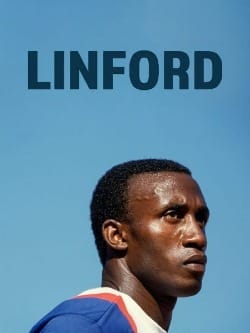
Linford (dir. Kwabena Oppong, 2024) is a documentary focusing on former UK sprinter Linford Christie, who shot to fame and glory in the late 80s and early 90s with his medal-winning performances at several Summer Olympics and major athletics championships. Controversy and a rabid red-top press followed him at many turns, culminating in a failed drugs test that continues to cast a shadow nearly three whole decades later.
The documentary takes a largely linear chronological approach to its runtime, featuring archive footage of races and interviews with Christie himself, as well as contemporary ones with him, fellow athletes and friends, but also some of the surviving journalists. One in particular strenuously denies that the experiences Christie received in the media, including racism and sexual objectification, were anything but the 'public interest being served'.
Christie comes across as someone who still feels the weight of it all firmly on his shoulders, even in his mid-60s. The questions posed to him don't pull their punches, though certain aspects of it felt like they were butting up against less firm legal ground, or perhaps were just too painful to keep jabbing at.

Barbie (dir. Greta Gerwig, 2023) needs little introduction on these pages, being inescapable three summers ago alongside Oppenheimer. Sitting somewhere between a self-aware satire and a fierce defence of the capitalism of the dolls and brand themselves, Margot Robbie makes a star turn as the titular 'stereotypical' Barbie whose world increasingly comes into conflict with our one, and the plotline revolves around seeking a resolution to this.
The oft-overlooked Ken (Ryan Gosling) tries to assert himself, taking over Barbieland and making it in his own patriarchal image, a mirror in many aspects of the reality outside. Gerwig skillfully handles the ubiquitous themes of gender, identity, and subversion throughout. The first 30 minutes or so were when the film was at its strongest, and it remains to be seen whether the balance was always struck. Nevertheless, it's one of the freshest big-budget films released this decade, which isn't necessarily saying a lot, but it deserves a lot of credit for trying to do something different.

Enola Holmes 3 (dir. Philip Barantini, 2026) is the third Netflix developed film in the last seven years starring Millie Bobby Brown as Sherlock's (Henry Cavill) much younger sister who follows in his footsteps as a detective in a late Victorian backdrop. Here though, 'Blighty' is swapped for the warmer climes of Malta, with Enola's will-they-won't-they marriage to Lord Tewkesbury (Louis Partridge) giving the plot its throughline.
An original script and not based on any of Nancy Springer's books (which keep Enola in her mid-teens), the verve and invention of the first two films are lost in its new environs despite a shorter runtime. Cavill's scenes are restricted to the beginning and end for the most part, and even Helena Bonham Carter reprising her role once more as Enola's free-spirited mother can't save it from itself. While it does have a strong anticolonial message, it otherwise feels like an unnecessary third outing, a view seemingly shared in some of the supporting cast's performances.
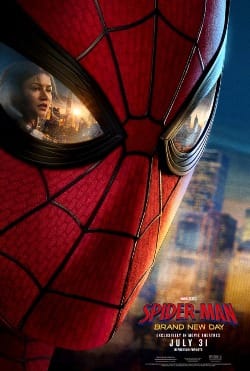
Spider-Man: Brand New Day (dir. Destin Daniel Cretton, 2026) is the fourth 'main' film starring Tom Holland as the now pushing 30 webslinger who sets out, subtly and unsubtly, to restore himself as the Peter Parker MJ (Zendaya) and Ned (Jacob Batalon) knew and loved after the events of the third movie meant everyone's memories of him were erased. This quest coincides with teaming up with The Punisher (Jon Bernthal) to stop Jean Grey (Sadie Sink) from posing a threat to Spidey's former lover and friend, as well as New York City at large.
Its long runtime, close to two and a half hours, didn't feel wholly justified, but in terms of nailing the dual nature that the character of Spider-Man at its very core has always been about, it might then rank as the finest outing. Zendaya gives a lot of the emotional weight to the story, particularly outside of the scenes between Sadie Sink and her older on-screen sister Sara (Olivia Booth-Ford). MCU creep was apparent with X-Men and Hulk, though none of them felt superfluous to the story.
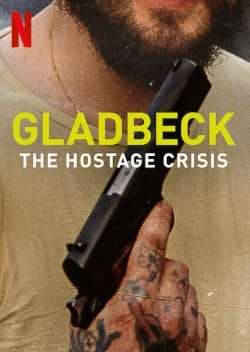
Gladbeck: The Hostage Crisis (dir. Volker Heise, 2022) is a light-touch documentary covering the very real and disturbing events in West Germany and the Netherlands over several days in 1988. There is no real added commentary or talking heads; instead, quite sensibly, the filmmakers let the absurd tragedy play out unfiltered.
What unfolds is a shambolic mishandling by both the media and police of a delicate situation that ultimately ends up with two innocent people being murdered and new laws being passed to ban journalists negotiating with, and interviewing, hostage takers during an ongoing crisis. Yes, you read that correctly. The interviews with the three criminals at turns feel like a fireside chat between friends or something that could spiral out of control at any second.
It's amazing/crazy (delete as applicable) to think that this happened well before the advent of reality television, with the uneasy atmosphere being skillfully captured with contemporaneous evidence; the sheer fury of some members of the public of how it was handled even then has to be seen to be believed. One particularly chilling example is when one of the hostage takers has a gun to Silke Bischoff's neck in the back of one of their getaway vehicles and a photographer asks them to change the angle of the gun so it would make for a better shot in the following day's papers. Bischoff would later be one of the two victims killed when police blockaded an autobahn in a last-ditch attempt to bring an end to things.
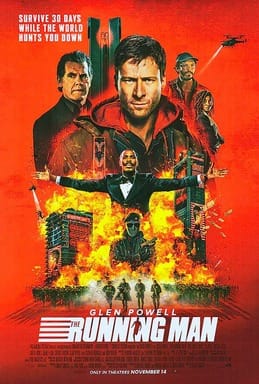
Speaking of (un)reality, The Running Man (dir. Edgar Wright, 2025) is a second stab at adapting Stephen King's typically dystopian vision of then-future America where a media conglomerate simply known as The Network controls everything, including the government, the police, and access to healthcare. Most people live in poverty, and to his family's dismay, Ben Richards (Glen Powell) seizes one of the few ways to escape the abject misery wrought upon them by signing up to 'star' in The Running Man, a televised competition where the only aim for the three contestants is to survive 30 days in public without being killed by one of five 'hunters'.
Nobody in the show's history has ever managed that feat, and during the course of his participation, Richards comes to learn that aspects of the show are just that - a show, very carefully stage managed behind the scenes. The film's pacing keeps the audience with them, though there is little new in its social commentary. Indeed, the interim period between the early 80s when the book was written and now has in large part made decidedly grimdark sci-fi dystopias obsolete. In other words, it's perfectly serviceable, but it won't leave its mark on you for very long.
Books
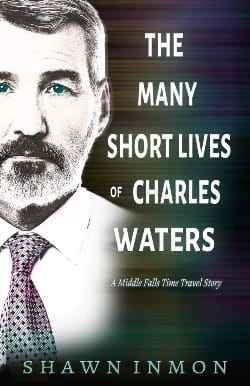
The Many Short Lives of Charles Waters (Shawn Inmon, 2019) is the last Middle Falls Time Travel story I'm going to review here. Thankfully, the 12th entry is perhaps the best of them all that I've read to this point. As the title suggests, a key difference here is that the protagonist, far from dying in their first life and waking up as they come of age decades before, has to contend with being put back in the middle of a conversation with their doctor where they are told they have around 30 days to live as they have terminal pancreatic cancer. That specific disease hits close to home for me as that is what my dad had a decade ago, and only a marginally better prognosis.
That fact initially made it akin to an endurance test in the early chapters. The protagonist is heavily alluded to be autistic (though the author deliberately steers away from that label at any point in the novel) steeped in routines, rattling off mathematical equations, and singularly lacking in friends, family, or a learned understanding of social cues and mores.
However, the expertly handled transformation of Charles Waters in an otherwise unashamedly fantastical premise is one of three pillars anchoring the book in something that feels quite real. The second pillar is his next-door neighbour Moondog, a burned out hippie with social anxiety, agoraphobia, but most importantly of all, a completely nonjudgmental approach to Charles and his stories of many past lives. Unlike in some of the other entries, there are no other characters the protagonist knowingly meets who can directly corroborate his claims, but Moondog's childlike openness to the notion, as well as their 'odd couple' relationship, really propel the plot forward.
The deliberately repetitive nature of the cycles aids the believability of Charles as a person, as well as the very gradual realisation that letting go of a little control over every second of his existence can potentially have some upsides. Another marked contrast with other entries is that the ending doesn't feel too neatly arrived at; it happens in the way it does quite naturally.
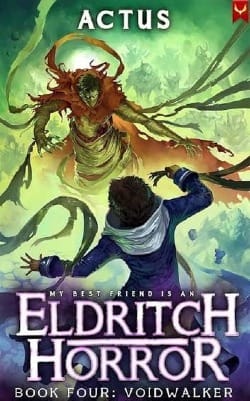
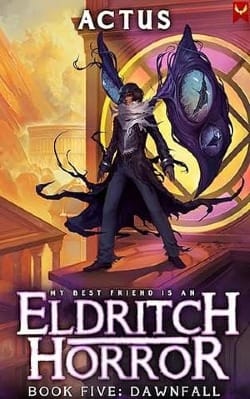
Voidwalker (Actus, 2023) and Dawnfall (same author and year published) are the fourth and fifth of the six-book My Best Friend Is An Eldritch Horror LitRPG series. Despite being billed as 'slow-build', the only aspect of these books that reliably does that is the pacing, rather than the characters involved, especially the protagonist Damien.
By the end of the fifth entry, he is still in his second year at mage college, but is more powerful than almost everyone else, professor or otherwise, in the mortal plain. At this point, I feel duty-bound to finish the series in time for the next newsletter, but I definitely don't feel compelled to read any others by Actus. They're not bad, just... limited in both dialogue and real character development, in spite of a large ensemble cast.
Life Stuff
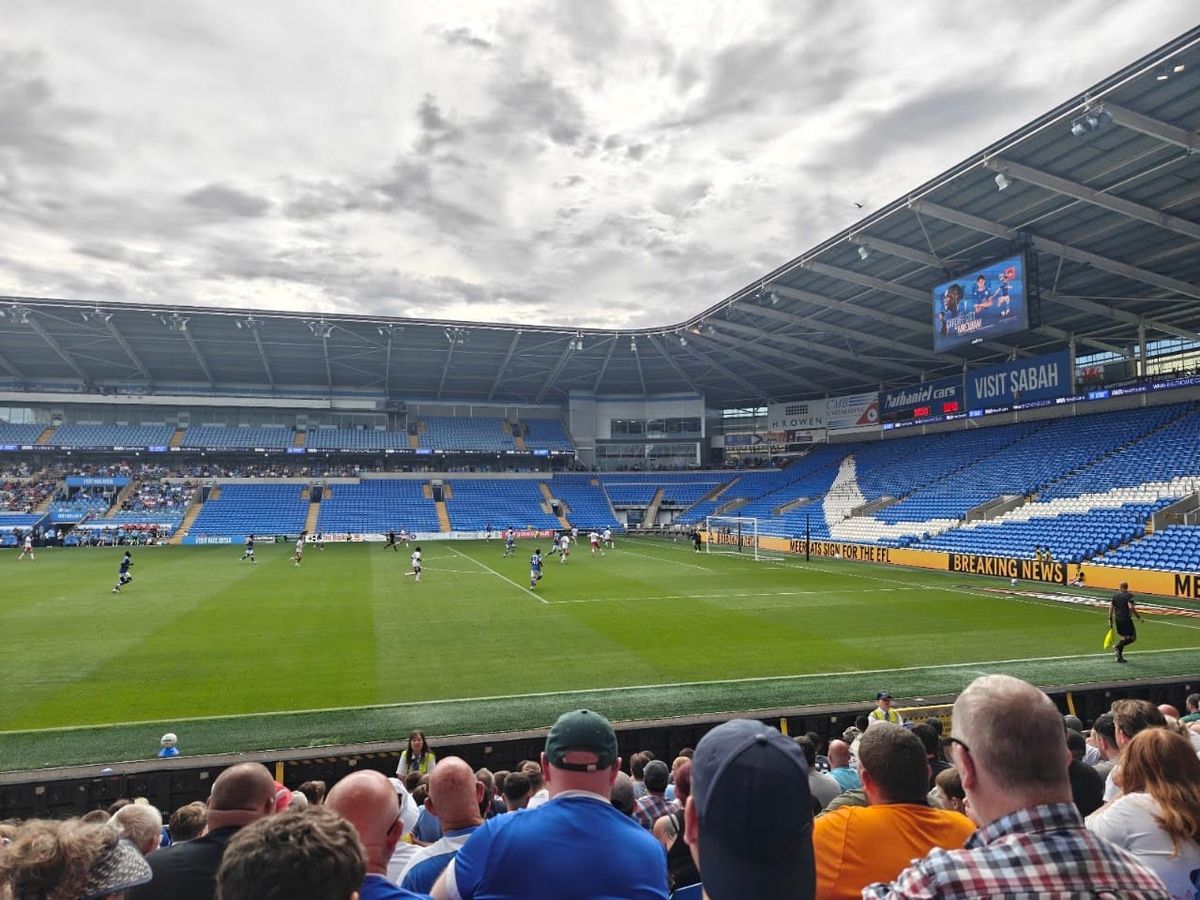
Not a great deal to include this month, other than the fact that my 10 year old son has 'discovered' football of his own volition. Initially, I thought this might live and die alongside the Men's World Cup, but it seems to have continued in the month or so since, culminating in attending his first ever match in person last weekend (Cardiff City vs Swindon Town in the EFL Cup). Despite his 'support' for Arsenal, getting tickets for the game was his idea, and I'm intrigued to see where things go from here...
A long time ago, I had harboured ambitions that he'd be the fifth generation of my family to support Bury, but let's just say things took a very different turn where they're concerned, both because they got kicked out of the league when he was just three in 2019, and the subsequent phoenix club merged with a group I was vehemently opposed to several years later. Prior to their expulsion, it was the one time I've ever been featured on the news!
Just One More Thing (aka my recommended newsletter of the month)
Emma Kent is a superb former Eurogamer reporter turned freelance games critic/consultant, and those are just a few highlights during her great career to date. Among other strings in her bow, she is the editor for Eteo Archetypes, a project that gives writers a chance to explore elements of game design that might otherwise not come to light. Eteo themselves are an independent studio based in London, which was founded by the creative director behind the acclaimed Sable, released in 2021. Subscription to their newsletter is free, and well worth doing!